


Beaumont Car Crash Lawyer
A serious car wreck can leave you facing injuries, medical bills, and uncertainty about what comes next. At Jonathan C. Juhan P.C. Attorney at Law, our Beaumont car crash lawyer works directly with injured people across Southeast Texas to provide clear answers and strong advocacy.
We represent clients in Beaumont and Jefferson County who need real support, not insurance delays. Contact us today (409) 832-8877 to discuss what happened and what your options may be.
Why Choose Jonathan C. Juhan P.C. Attorney at Law
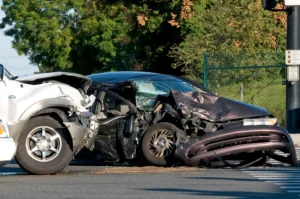 When you hire Jonathan C. Juhan as your Beaumont car wreck lawyer, you will speak directly with him about your case.
He is board-certified in personal injury trial law, and our firm is deeply rooted in this community.
Here are a few things that make our firm different:
- Local generations of service: Genuine knowledge of Southeast Texas roads and industries.
- Honest communication: Seasoned legal advice without confusion.
- True client advocacy: Our attorney has your best interests at heart.
- Accessibility: Call and speak directly to Attorney Jonathan C. Juhan.
Many of our clients are hardworking individuals who do not have savings to absorb months of lost income. Our firm focuses on helping those who need clear guidance and personal attention.
Why car wrecks in Beaumont Are So Disruptive
Beaumont sits along Interstate 10 and other major commercial routes. Heavy refinery traffic, local commuters, and out-of-town drivers all share the same roads. A collision on College Street, Dowlen Road, or I-10 can result in serious injury and immediate financial strain.
Our Beaumont collision lawyer regularly sees crashes caused by:
Failure to Yield: Drivers Turning Left Into Oncoming Traffic
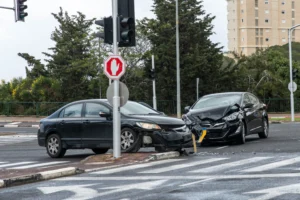 Left-turn collisions are one of the most common causes of serious car wrecks in Beaumont. When a driver turns left at an intersection without properly judging distance or speed, oncoming vehicles often have no time to react.
These crashes frequently occur on busy roads like College Street or at intersections with heavy commuter traffic.
Drivers have a duty to yield the right-of-way before turning. When they miscalculate or rush through a turn, the impact can be severe, especially if the oncoming vehicle is traveling at normal highway speeds.
In many cases, liability centers on whether the turning driver failed to wait until the roadway was clear.
Distracted Driving: Texting, Social Media Use, or In-Vehicle Screens
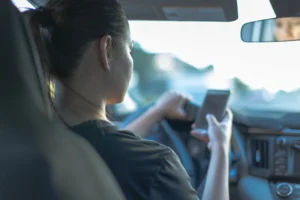 Distracted driving continues to cause preventable collisions across Southeast Texas.
Texting, scrolling social media, adjusting GPS settings, or interacting with touchscreens inside the vehicle all reduce reaction time.
Even a brief glance away from the road can lead to a rear-end crash or lane departure.
Modern vehicles include more digital features than ever before. While these systems offer convenience, they also increase cognitive distraction.
A driver who is not fully focused may miss traffic signals, fail to notice stopped vehicles, or drift into another lane. Proving distraction may involve cell phone records, witness statements, or crash reconstruction analysis.
Speeding: Especially on Major Highways
 Excessive speed increases both the likelihood and severity of a crash.
On highways such as Interstate 10, drivers often exceed posted limits, particularly during lighter traffic hours.
Higher speeds reduce a driver’s ability to stop safely and significantly increase the force of impact.
Under Texas Transportation Code § 545.351, drivers must operate their vehicles at a reasonable and prudent speed under existing conditions. This duty applies even if a driver is technically within the posted limit. Weather, traffic congestion, and road construction all affect what is considered safe.
Violations of this statute often serve as a foundation for proving negligence in a personal injury claim.
Drunk or Impaired Driving: A Preventable and Dangerous Decision
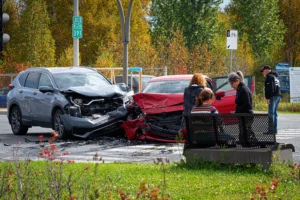 Driving under the influence of alcohol or drugs remains one of the most dangerous choices a motorist can make.
Impairment affects judgment, coordination, reaction time, and decision-making ability.
These crashes often result in high-speed impacts and severe injuries.
Under Texas Penal Code § 49.04, operating a motor vehicle while intoxicated is a criminal offense. In civil cases, evidence of intoxication can significantly strengthen a personal injury claim. Breath test results, blood alcohol concentration reports, and arrest records may all become part of the evidence.
Rear-End Collisions: Often Caused by Following Too Closely
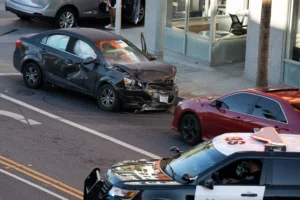 Rear-end crashes frequently occur in stop-and-go traffic or near intersections.
Many of these incidents stem from drivers following too closely behind another vehicle.
When traffic slows unexpectedly, there is insufficient time to stop.
Texas law requires drivers to maintain a safe distance between vehicles so they can stop safely if traffic slows.
When a driver fails to leave enough space to react safely, they may be found responsible for resulting injuries. Even at moderate speeds, rear-end impacts can cause neck injuries, back injuries, and head trauma.
Unsafe Lane Changes: Failure to Check Blind Spots
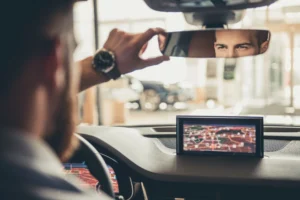 Changing lanes without checking mirrors and blind spots creates serious risk, especially on multi-lane highways. Motorists who fail to signal or look properly may sideswipe another vehicle or force it off the roadway.
Commercial vehicles and large SUVs have significant blind spots, but all drivers share the responsibility to ensure a lane is clear before moving.
Traffic law violations frequently serve as the foundation of a car crash injury case. When a driver breaches their legal duty to operate safely and that breach causes harm, injured individuals may pursue compensation under Texas law.
Careful investigation of roadway conduct, statutory violations, and crash evidence is key to building a strong claim.
Common Injuries After a Beaumont car wreck
Even what appears to be a moderate impact can cause lasting harm. Our Beaumont car crash lawyer often handles cases involving:
- Neck and back injuries: Whiplash, herniated discs, and chronic pain.
- Traumatic brain injuries: Concussions or more severe brain trauma.
- Broken bones: Arms, legs, ribs, and wrists.
- Internal injuries: Organ damage that may not be immediately visible.
- Soft tissue injuries: Muscle and ligament damage.
- Burn injuries: Particularly in vehicle fires.
Some injuries do not fully reveal themselves for days. Seeking medical attention immediately protects both your health and your legal claim.
Texas Is a Fault-Based Insurance State
Texas follows a fault-based system. This means the driver who caused the collision is financially responsible for the damages.
To recover compensation, an injured person in Texas generally must prove:
- The other driver owed a duty to operate safely
- The driver breached that duty
- The breach caused the crash
- You suffered damages
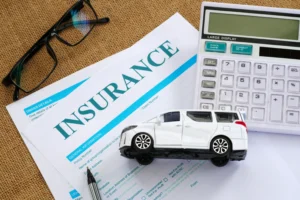 Texas also applies modified comparative responsibility under the Texas Civil Practice & Remedies Code Chapter 33. If you are found more than 50 percent responsible, you cannot recover damages. Insurance companies frequently attempt to assign partial blame to reduce payouts.
Our Beaumont car collision attorney investigates every detail to counter unfair allegations.
If you were injured in a car collision in Beaumont, do not wait for the insurance company to define the facts of your case. Early guidance can protect evidence, prevent missteps, and strengthen your position.
What Compensation May Be Available After a car crash
The value of a case depends on the severity of injuries and their long-term impact. Our law firm may pursue compensation for:
- Medical expenses: Emergency treatment, surgery, therapy, prescriptions.
- Future medical care: Ongoing treatment or rehabilitation.
- Lost wages: Income missed during recovery.
- Reduced earning capacity: If you cannot return to your prior job.
- Physical pain and mental anguish: Recognized under Texas law.
- Property damage: Costs related to your vehicle.
Under Texas Civil Practice & Remedies Code § 16.003, most personal injury lawsuits must be filed within two years of the date of injury. Missing this deadline can prevent recovery. Insurance companies may attempt to offer a quick settlement. Early offers rarely account for long-term medical needs.
How Insurance Companies Handle car wreck Claims
After a crash, insurance adjusters often contact injured drivers quickly. They may request recorded statements or medical authorizations.
Insurance companies may argue that:
- You were speeding
- You were distracted
- Your injuries are pre-existing
- Your treatment is unnecessary
Our car crash attorney will review medical documentation, crash reports, and witness statements to evaluate liability and build a strong case. You should understand your rights before providing detailed recorded statements to anyone from the insurance company.
Uninsured and Underinsured Motorist Claims
 Not every driver carries sufficient insurance. Texas law requires minimum liability coverage under Texas Transportation Code § 601.072, but minimum coverage may not fully compensate for serious injuries.
If the at-fault driver lacks adequate insurance, you may turn to your own uninsured or underinsured motorist coverage.
These claims can be complicated because you are negotiating with your own insurance company. We can evaluate whether additional coverage applies.
Serious and Catastrophic Crash Injury Cases
Some car wrecks cause life-altering injuries. Spinal cord damage, traumatic brain injuries, and severe burns can permanently change a person’s ability to work and function independently.
In catastrophic cases, compensation may involve:
- Long-term life care planning
- Home modifications
- Assistive devices
- Ongoing medical supervision
Proper valuation of these cases requires careful documentation, medical analysis, and long-term financial planning. Insurance companies often resist large payouts.
Wrongful Death After a Fatal Car Crash
 If a loved one was killed in a car wreck, Texas law allows certain family members to pursue a wrongful death claim.
Under the Texas Civil Practice & Remedies Code Chapter 71. Eligible parties may include a surviving spouse, children, and parents.
Wrongful death claims may seek compensation for:
- Funeral expenses
- Lost financial support
- Loss of companionship
- Mental anguish
These cases are emotionally difficult and legally complex. Timely action is necessary.
Frequently Asked Questions About Crashes in Beaumont
Do I Have to Go to Court?
Many collision cases resolve through settlement without a trial. Insurance companies often prefer to settle once liability and damages are clearly documented. However, preparing every case as if it may go to trial strengthens your negotiating position and signals that you are serious about pursuing fair compensation. If a reasonable settlement cannot be reached, filing a lawsuit may become necessary to protect your rights.
What If the Insurance Company Denies My Claim?
A denial does not automatically mean your claim lacks merit. Insurance carriers sometimes deny claims based on incomplete documentation, disputed liability, or alleged policy exclusions. These decisions can be challenged through additional medical records, incident reconstruction evidence, witness statements, and structured negotiation. If necessary, litigation may be used to hold the insurer accountable and seek the compensation you are legally entitled to pursue.
How Much Is My Case Worth?
There is no one-size-fits-all answer. The value of a case depends on the severity of your injuries, the total cost of medical treatment, lost wages, future earning capacity, and the overall impact on your daily life. Available insurance coverage also plays a role. A careful evaluation of medical documentation and financial losses is important before determining a reasonable settlement range.
Do I Need to Call the Police After a Wreck in Texas?
In many situations, yes. Under Texas Transportation Code § 550.026, drivers must immediately report a crash to law enforcement if it results in injury or death. Even in less severe collisions, requesting a police response helps create an official report that documents the scene, identifies drivers, and notes potential traffic violations. That report can become important evidence when pursuing a personal injury claim.
Contact Our Legal Team & Take The First Step Toward Recovery Via A Free Consultation
If you were injured in a car collision in Beaumont, do not assume the insurance company has your best interests at heart. At Jonathan C. Juhan P.C. Attorney at Law, we take pride in offering honest, trustworthy representation for injured individuals across Southeast Texas.
Allow us to help you take the first step toward recovering from your injuries. Schedule a free consultation by contact us today at (409) 832 8877.
Jonathan C. Juhan P.C. Attorney at Law
985 I-10 North
Suite 100
Beaumont, TX 77706
Telephone: (409) 832 8877
Map & Directions

Starts Here
© Copyright 2026 Jonathan C. Juhan P.C. Attorney at Law. All Rights Reserved.
