


Beaumont Premises Liability Lawyer
 A hard fall, a weak stair rail, poor lighting, or an unsafe store floor can leave you hurt, out of work, and unsure what comes next. Like many matters involving personal injury, property injury cases often look simple from the outside, but Texas law does not treat every visitor the same. The duty a landowner owes can change based on why you were there, what the owner knew, and whether the danger had enough time to be found and fixed.
In Southeast Texas, most people want a straight answer before they want anything else, and that is exactly what we try to give. At Jonathan C. Juhan P.C. Attorney at Law, we know that many families in Beaumont are trying to hold things together while bills keep coming. See what we can do for you by using our online form or calling (409) 832-8877 for a free consultation.
Why People in Beaumont Call Our Firm
We prioritize direct communication, and Jonathan’s local ties to Southeast Texas go back generations. You will speak directly with him, and we will stay accessible beyond standard office hours. For many families, that kind of access matters just as much as courtroom skill. Jonathan is board-certified in Personal Injury Trial Law by the Texas Board of Legal Specialization and has deep local roots in the Beaumont area.
We also know that missed work, transportation trouble, and pressure from insurers can hit fast. Jonathan’s approach is to give clear information first, answer the question right in front of you, and help you decide which step makes sense next.
What These Cases Usually Depend On
In many property injury claims, four basic questions need to be answered.
- Was there a dangerous condition on the property?
- Did the owner or occupier know about it, or should they have known?
- Did they fail to use reasonable care to reduce the risk?
- Did that failure cause the injury?
Texas courts consider these and other questions, making evidence such as photos, store reports, maintenance logs, and witness statements crucial.
A lot of people assume that every fall on another person’s property results in payment. Texas law is not that broad. A social guest may be treated differently from a customer, and a trespasser is treated differently from both. In some situations, the fight is not only about the dangerous condition itself. The fight is about your legal status on the property and what duty came with it.
Dangerous Conditions That Often Lead to Claims
Unsafe property cases show up in many forms, and the facts usually matter more than the label. These cases show up across all kinds of properties in the Beaumont area, including stores, apartment complexes, parking lots, office buildings, hotels, rental homes, and job sites. Some of the most common examples include:
- Wet floors: A spill, leak, or recent cleaning job may create a slick walking surface if warnings are missing or cleanup is delayed.
- Broken walking areas: Uneven pavement, loose mats, damaged stairs, and weak handrails can turn an ordinary trip into a serious injury event.
- Poor security: A property owner may face claims tied to inadequate lighting, broken gates, or ignored crime risks.
What You Should Do Soon After a Fall or Other Property Injury
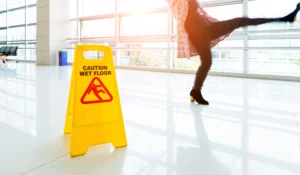 Your next steps can shape the strength of the claim. In many cases, our Beaumont premises liability lawyer will want to know what was documented before the condition changed. Property owners often clean the floor, repair the step, move the display, or claim they never saw the danger. The sooner the facts are preserved, the harder it is for key details to disappear.
The most helpful steps usually include:
- Reporting the condition: Tell management, security, or the property owner what happened and ask that a written report be made.
- Photographing the scene: Take wide and close photos of the hazard, the lighting, your shoes, and the area around you.
- Getting medical care: Prompt treatment protects your health and establishes a timeline linking the injury to the event.
What You Should Know Before the Clock Runs Out
 Before you give a recorded statement or sign anything from an insurance company, it is worth knowing what kind of claim you actually have. That does not always mean filing a lawsuit. Sometimes it means understanding whether the evidence still exists, who legally owned or controlled the property, and whether any deadlines are closer than you think.
Texas personal injury claims are generally subject to a two-year filing window, but that timeline can shift depending on who is responsible. When a government entity owns or maintains the property, the Texas Tort Claims Act applies, and different rules around immunity and notice come into play. Claims tied to certain City of Beaumont vehicles or motor-driven equipment carry a 180-day notice requirement, which is well short of the standard deadline.
Jobsite Injuries Can Raise Different Issues
 Not every unsafe property case follows the same rules. On construction and contractor-related claims, Chapter 95 of the Texas Civil Practice and Remedies Code can limit when a property owner is held liable to contractors, subcontractors, and their employees. The two factors that tend to drive these cases are who controlled the work and what the property owner actually knew about the danger before someone got hurt.
That matters in Southeast Texas because plenty of people work in warehouses, stores, industrial settings, and other places where ownership and control are split among several parties. A hurt worker may assume that only workers’ compensation is important in these kinds of cases. These situations often require a much closer look at who controlled the premises and who knew what.
Frequently Asked Questions
Can I Still Have a Claim if My Symptoms Appeared Days After the Incident?
Yes, sometimes you can. Some people feel pain later, especially with back, neck, knee, or shoulder injuries. What matters most is whether the medical records, witness accounts, and timeline still connect the injury to the unsafe property condition.
What if There Was a Warning Sign Nearby?
A warning sign does not end every case. Its location, visibility, timing, and wording all matter. Our Beaumont premises liability lawyer may ask whether the warning actually addressed the danger or was placed where people could not reasonably see it.
Does It Matter if I Was Using My Phone When I Was Hurt?
It can matter, but it does not always destroy the claim. Texas uses proportionate responsibility rules, so the defense may argue you were partly at fault. The real issue is how much your conduct contributed compared with the unsafe condition on the property.
Let Our Beaumont Premises Liability Lawyer Help You Take the Next Steps
Our injury team at Jonathan C. Juhan P.C. Attorney at Law is ready to listen to what happened, walk you through your options, and give you an honest answer about where things stand. We offer free consultations, we do not charge a fee unless we win, and we are always willing to help, even if what you need first is just a call and honest information. You can get in touch by contacting us online or calling (409) 832-8877.

Starts Here

© Copyright 2026 Jonathan C. Juhan P.C. Attorney at Law. All Rights Reserved.
